
Across Southeast Asia, the digital banking “gold rush” has transitioned into a battle for utility. The goal is no longer just user acquisition; it’s about depth of engagement and share of wallet. Embedded insurance is a primary lever for this retention.
While regional projections suggest the embedded insurance market will reach $270 billion by 2030, many digital banks still treat insurance as “shelfware”—static icons on a dashboard that rarely get tapped.
To drive genuine adoption, banks must shift from passive icons to active, intent-based conversion strategies.
Moving from in-app ad banners to embedding natively in the UI
The traditional cross-selling model relies heavily on banner ads within the app: “Protect your health for $8/month! Click here.”
The problem is banner blindness. Mobile-first consumers instinctively ignore anything that looks like an ad. This shift toward native integration is a strategic mandate; data shows that over 80% of financial executives now view embedded insurance as a core feature for competitiveness rather than a secondary add-on.
The solution is contextual integration—offers triggered by specific user behavior.
- The Trigger: A user pays their electricity bill via the app.
- The Offer: “Protect your next 3 bill payments against income loss for just $0.40.”
- The Result: The insurance isn’t an interruption; it’s an add-on value to a task they are already doing.
Relevance beats reach every time. An offer made at the point of transaction converts significantly higher than a banner on the home screen.
The standard is now seamless, frictionless and secure
Trust is the currency of digital banking. Redirecting a user to a third-party portal fractures trust and kills conversion.
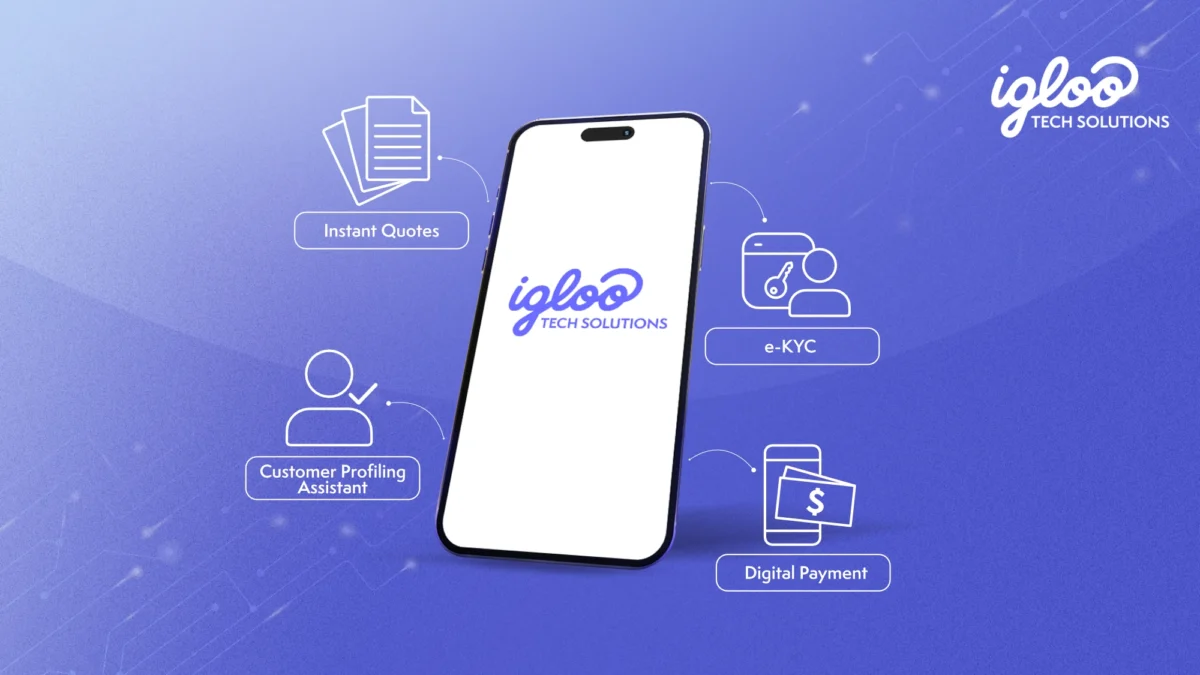
By utilizing API-driven orchestration, top-tier banks now render the entire journey—quote, bind, and issue—natively. One leading regional partner saw a significant jump in attachment rates simply by removing this friction and keeping the user within their secure app environment.
If you make a user leave your app to buy a product, you have likely lost the sale before the page even loads.
Micro-Insurance: The Gateway to Habitual Engagement
High-friction life or health policies are difficult to sell via mobile apps due to high cognitive load and underwriting requirements.
In contrast, micro-insurance serves as a low-barrier entry point. It establishes the insurance section of the app as a routine, familiar part of the user journey. These bite-sized, low-premium products provide instant gratification at the moment of highest intent.
Strategic triggers include:
- Cyber/E-wallet Protection: A seamless add-on for users performing high-frequency P2P transfers or online shopping.
- Gadget Protection: Integrated directly into the “Pay Bills” flow for telco providers or mobile financing.
- Travel & Weather Protection: Triggered automatically by transaction metadata, such as airline ticket purchases or ride-hailing bookings.
This approach extends beyond ancillary revenue. The resulting first-party behavioral data allows banks to build more sophisticated risk profiles and credit scoring models. These insights enable banks to graduate users to high-value coverage through data-driven recommendations rather than intrusive, cold marketing campaigns.
The Infrastructure Reality: Orchestration vs. Construction
Digital banks often view insurance distribution as an operational burden involving complex claims, compliance, and multi-insurer integrations. This perception stems from a legacy mindset of building rather than orchestrating.
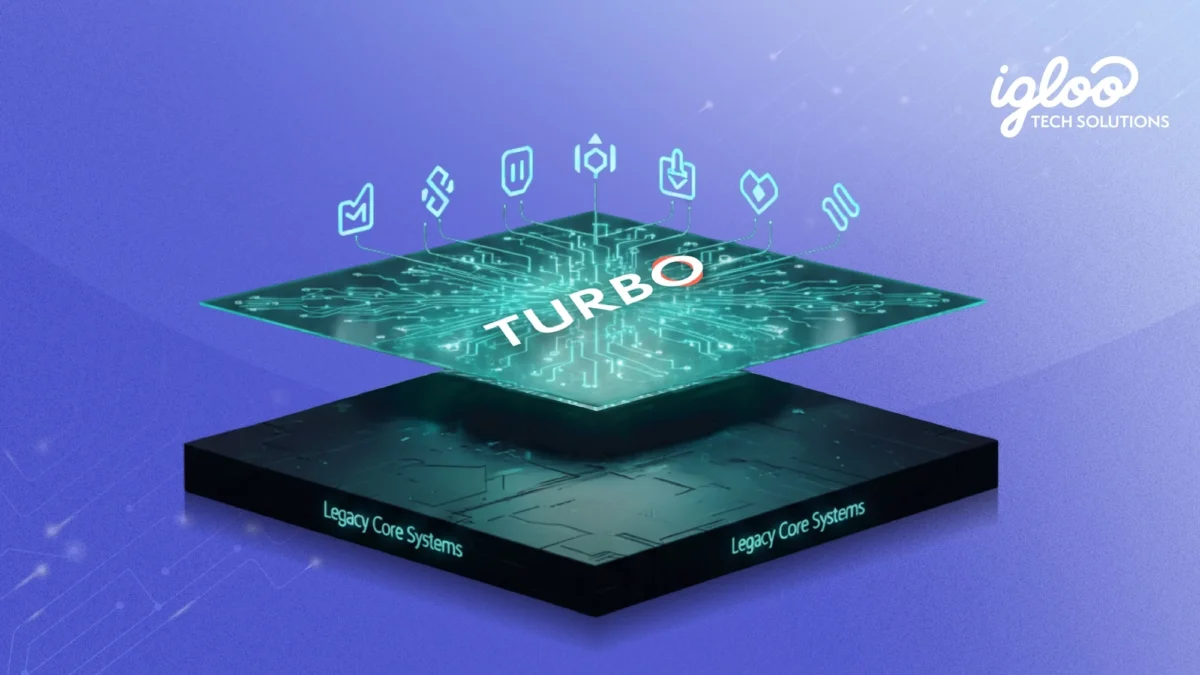
Modern platforms can address these technical complexities through Turbo, Igloo’s digital core and integration engine. This configuration and middleware tool acts as a bridge to multiple insurers on the backend while connecting directly to a bank’s existing frontend solutions. This allows the bank to maintain full control over the user interface, ensuring the insurance journey feels like a native feature rather than an external bolt-on.
Key advantages include:
- Reduced Total Cost of Ownership (TCO): Transitioning from CAPEX-heavy internal builds to a scalable OPEX SaaS model aligns investment directly with revenue.
- Engineering Speed: Standardized API kits allow internal dev teams to bypass months of custom coding, reducing time-to-market from quarters to weeks.
- Operational Agility: Turbo streamlines product and plan configuration, distribution, and product templates, allowing teams to update offerings across multiple markets without technical bottlenecks.
The era of building bespoke insurance silos is over. Success in 2026 belongs to the banks that treat insurance as an orchestrated service, focusing on user experience while the underlying infrastructure handles the complexity.
Conclusion: From Utility to Lifestyle
The digital banks winning in 2026 will be those that transition from being a simple utility to a lifestyle partner.
Removing the friction of redirects, contextualizing offers to payment flows, and starting with bite-sized protection allows banks to finally transform the insurance section from a static icon into an active driver of customer lifetime value.
Ready to embed a protection powerhouse in your banking app? Explore how Igloo’s Tech Solutions enable seamless, white-label insurance integration for digital platforms across SEA.